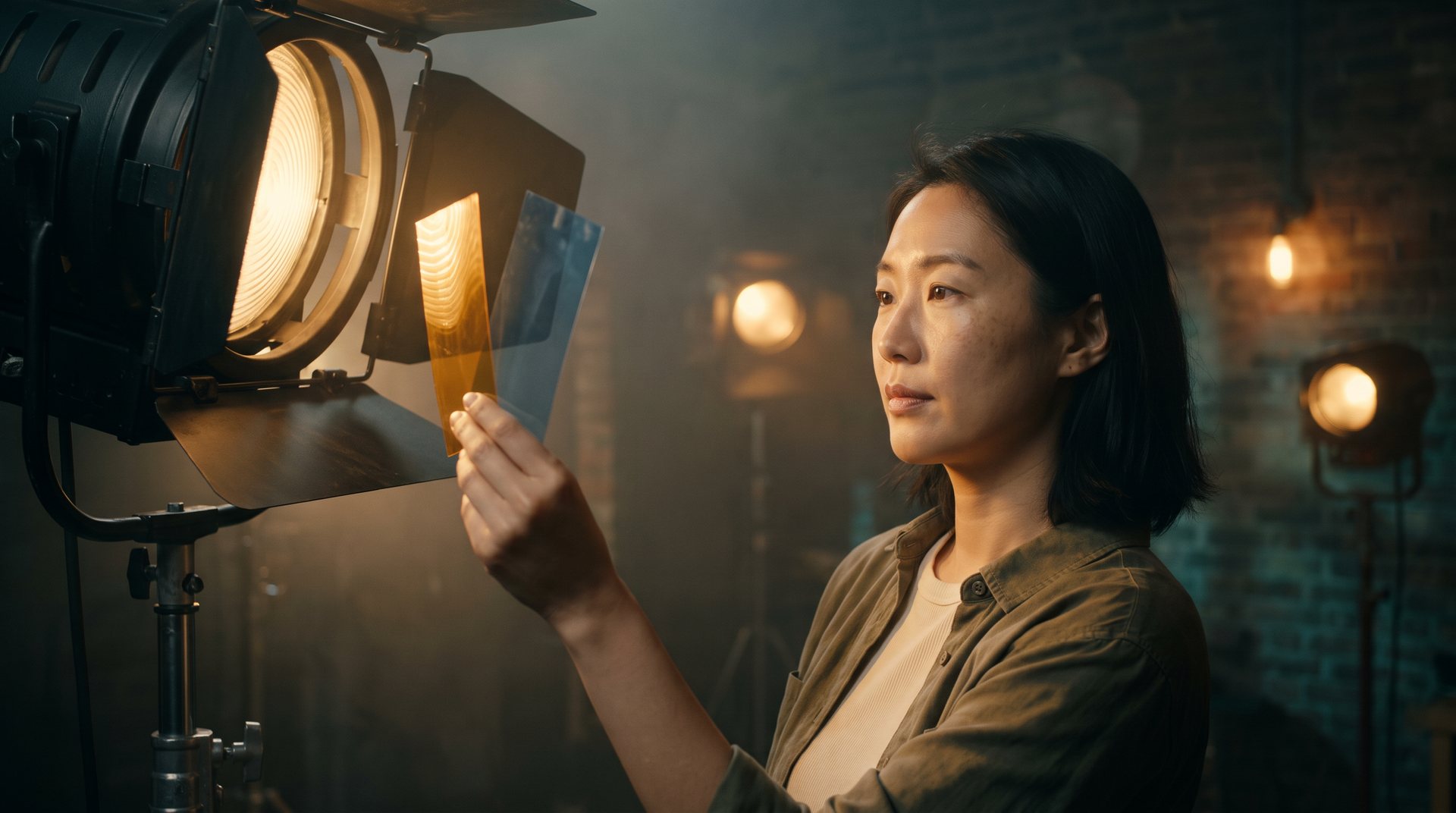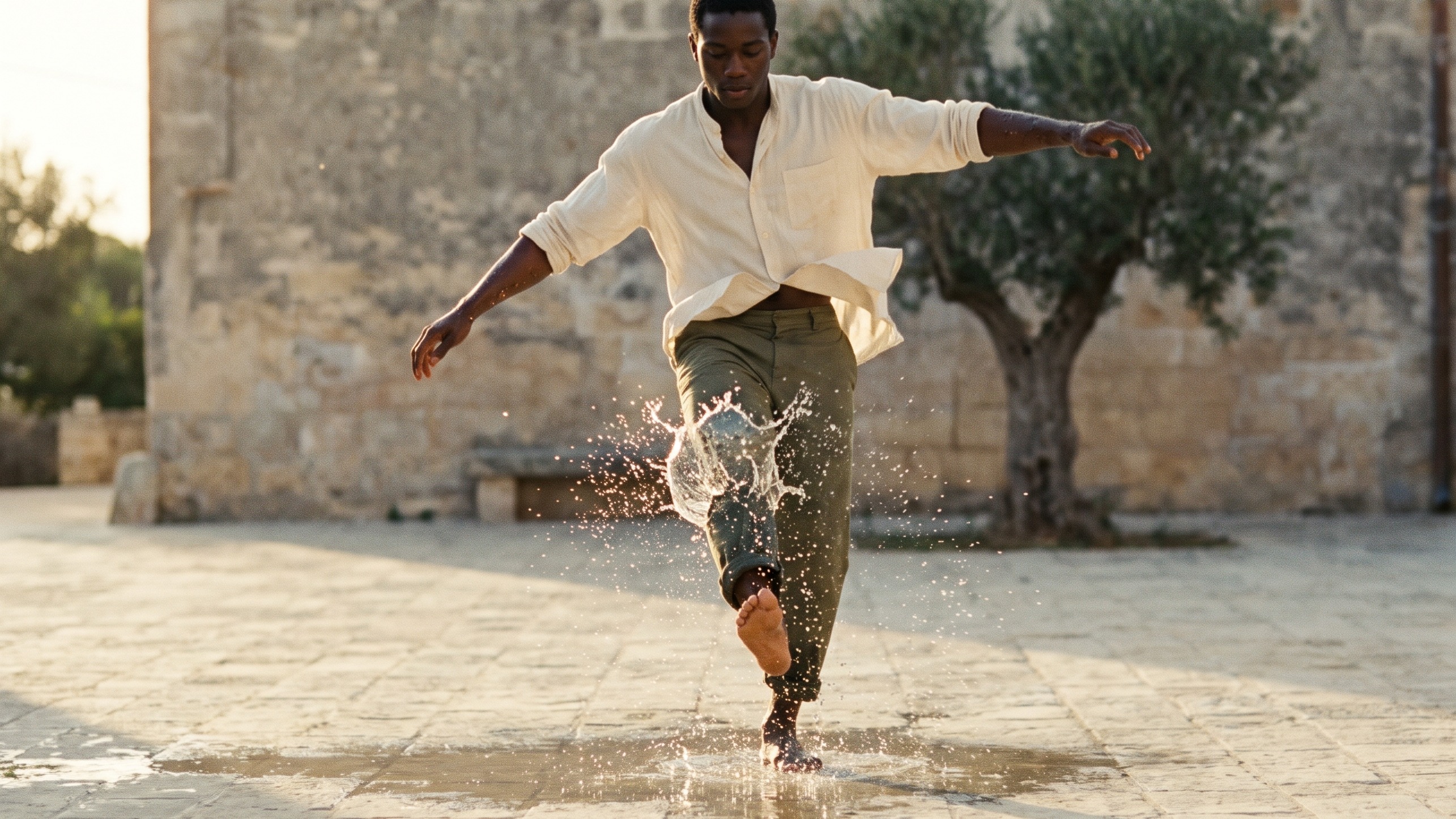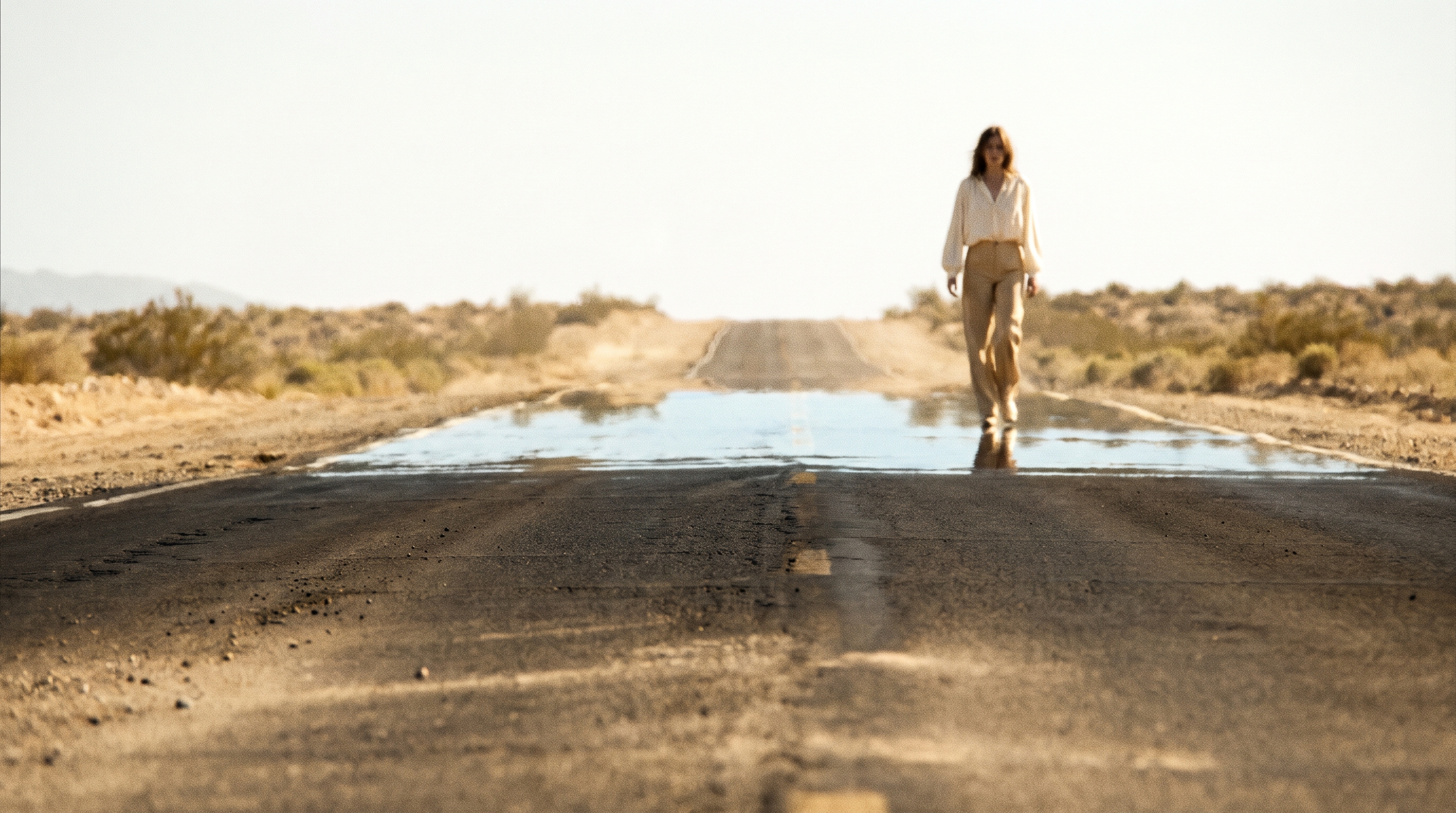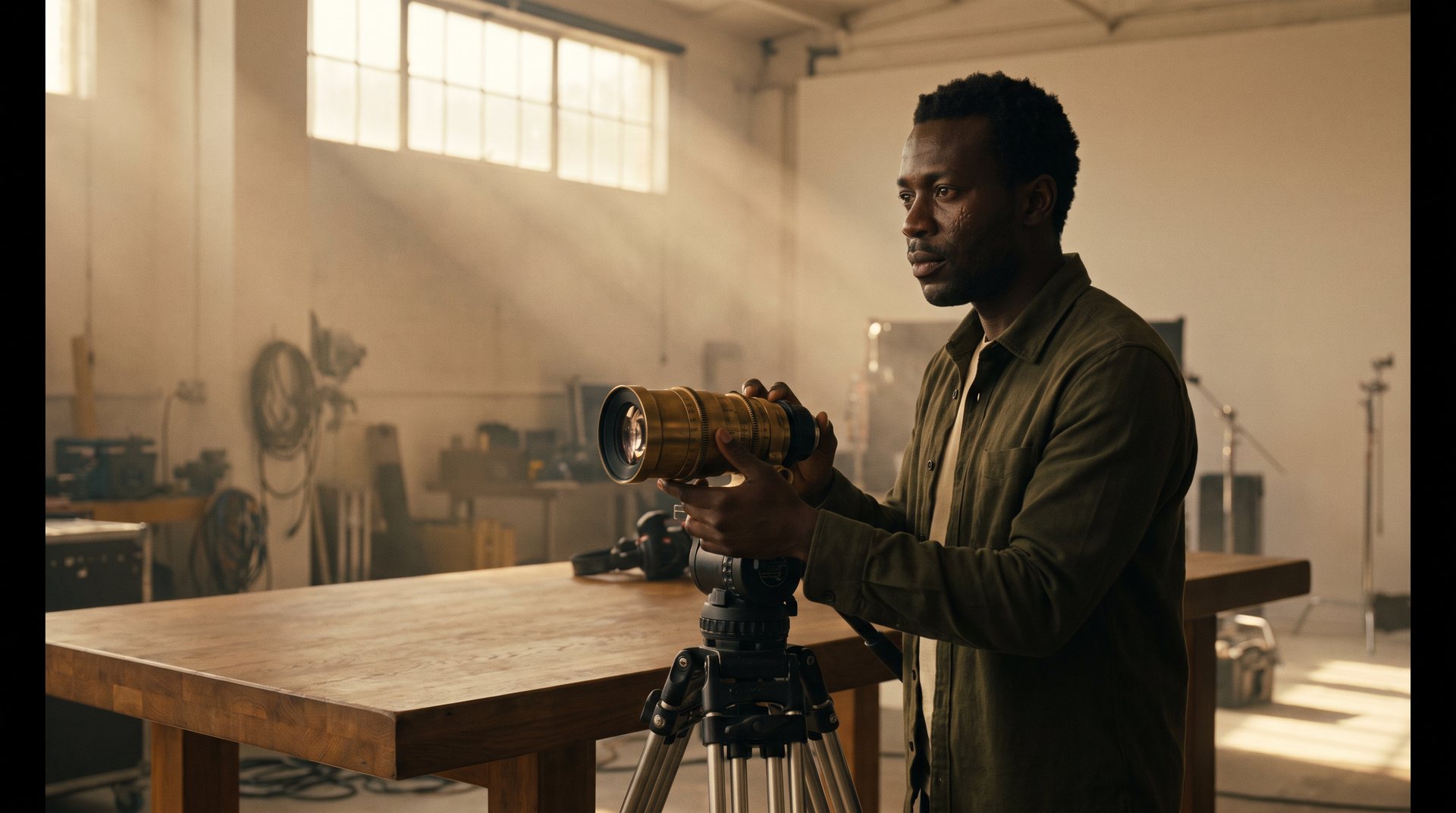
I keep coming back to a common issue in AI video generations: clips that look technically sharp, yet somehow feel flat, as if everything exists on a single printed sheet of glass. We often blame the model or try tweaking detail settings, but the real issue is rarely about render crispness. In physical filmmaking, spatial depth is not created by pixel sharpness. It is created by atmospheric separation.
When a cinematographer pumps light smoke or atmospheric haze onto a set, they are giving light something physical to interact with. Atmosphere introduces a subtle gradient across the frame. Objects closer to the camera retain rich contrast and deep tones, while elements further away gradually lose contrast and shift toward the colour of the haze. That gradual loss of contrast is what tells our brains that a scene has true volumetric depth.
How do you stop your AI scenes from feeling flat?
To build spatial depth in AI text-to-video or image models, you need to prompt for atmosphere as an active structural element rather than an afterthought. If you simply ask for a character in a room, most models render the background wall with the exact same clarity and contrast as the subject's face. The trick is to introduce atmospheric volumetric elements that catch light, softening the background while leaving your subject rich and tactile in the foreground.
Here is a baseline prompt designed for image and text-to-video models like Flux, Midjourney, or Luma to establish layered atmospheric depth in an interior setting.
Prompt · Flux, Midjourney or Luma
Cinematic medium shot of an antique clockmaker working at a wooden workbench, soft morning sunlight streaming through a tall arched window, delicate dust motes suspended in volumetric light rays, atmospheric haze creating deep separation between the crisp subject and the muted workshop background, subtle depth of field, 16:9 aspect ratio.
Notice how explicitly specifying light rays and atmospheric haze forces the model to render a light gradient between foreground and background. The haze acts as a visual wedge, pushing the back wall deeper into the frame.
How should you prompt atmospheric depth across different styles?
The same principle applies to outdoor environments and high contrast nighttime scenes. Outdoors, fog, moisture, and sea spray create physical layers that break landscapes into distinct spatial planes. Indoors, localised smoke or steam performs the exact same function.
When crafting exterior shots, try framing with heavy atmospheric layers to establish epic scale:
Prompt
Wide shot of a lonely figure standing on a coastal cliff at dusk, thick ocean mist rolling across dark rocks, damp volumetric atmosphere catching the golden glow of distant lighthouse beams, heavy spatial depth with layered silhouetted mountains in the background, 16:9 aspect ratio.
For moodier interior character work, combining two contrasting light sources with subtle atmospheric smoke creates immediate cinematic weight:
Prompt
Interior close-up of a detective sitting in a dim, rain-streaked office, gentle cigarette haze lingering in the air, warm desk lamp light casting soft highlights on dark leather, cool blue streetlights visible through foggy window glass in background, high atmospheric contrast, 16:9 aspect ratio.
What strikes me is how small atmospheric cues alter how camera motion is perceived. When a camera pushes forward through a scene filled with subtle haze or suspended dust, the movement feels grounded because elements pass through tangible space. Next time your shots feel flat, resist the urge to turn up sharpness prompts. Add a bit of air to the room instead.
Art is a lie that makes us realize truth, at least the truth that is given us to understand.
Pablo Picasso
Questions
Why do my AI video clips look flat even when they are sharp?
Spatial depth is created by atmospheric separation, not pixel sharpness. Most models render a background wall with the same clarity and contrast as the subject's face, so the scene reads like a single sheet of glass.
How do you add depth to AI video prompts?
Prompt for atmosphere as an active structural element. Include things like volumetric light rays, dust motes and atmospheric haze so the model renders a gradient between a rich foreground and a softer, muted background.
What atmospheric elements work for outdoor and indoor scenes?
Outdoors, fog, moisture and sea spray break a landscape into distinct spatial planes. Indoors, localised smoke or steam does the same job, and the article's examples use cigarette haze and dust motes.
Which AI models does the baseline depth prompt suit?
The baseline interior prompt is designed for image and text-to-video models such as Flux, Midjourney or Luma. It describes an antique clockmaker in morning sunlight with dust motes and haze separating subject from background.
How does atmosphere affect camera movement in AI video?
Small atmospheric cues change how camera motion is perceived. When a camera pushes forward through subtle haze or suspended dust, the movement feels grounded because elements pass through tangible space.