I keep coming back to one question when I read the AI film news: who is actually making the decisions? This weekend gave me two very different answers, and I think they belong together.
Hollywood has stopped arguing and started building
As the Los Angeles Times reported on Sunday, the industry has moved from resisting AI to building it into real productions. The example that caught my eye is Innovative Dreams in Manhattan Beach, Jon Erwin's company working with Luma, which mixes performance capture, virtual stages and generative AI while keeping the actors' performances human. The same piece mentions Netflix buying InterPositive, the tools company Ben Affleck founded, with the belief that innovation should empower storytellers, not replace them.
What strikes me is how often the word human comes up. I don't read that as PR. I read it as studios realising that taste, performance and authorship are the things they can't automate, so those are the things worth protecting.
Seedance 2.5 Flash: faster drafts, lower ceiling
On the tools side, ByteDance has opened Seedance 2.5 Flash to developers, as Startup Fortune reported. It keeps the 30 second clips and built in audio of the full model, but tops out at 720p and takes fewer reference files. In return it costs noticeably less and, ByteDance says, runs faster, though the article rightly treats that speed claim with some caution until people have tested it.
How should filmmakers use a faster, cheaper model?
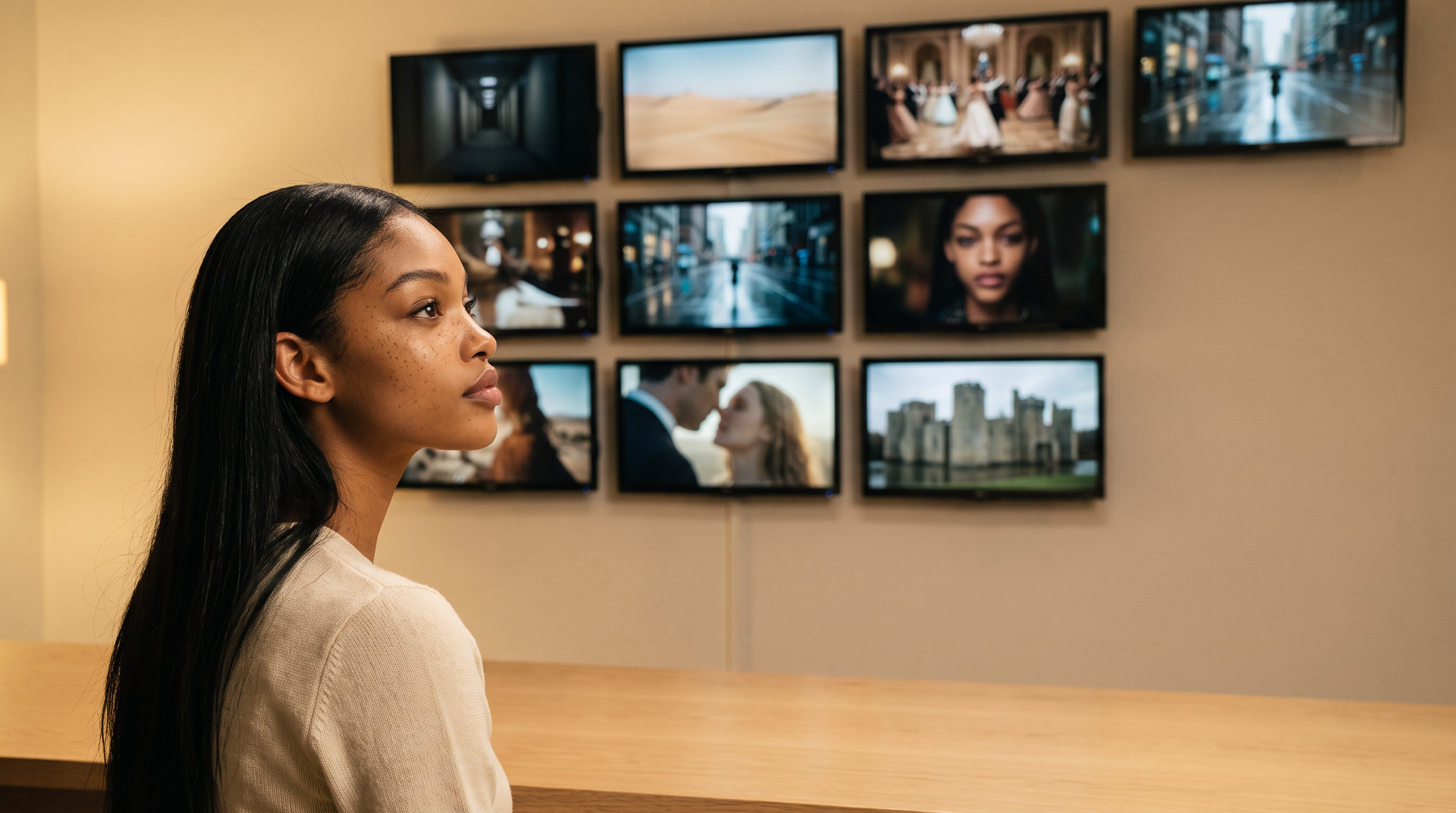
Here's where I'm going with this. A model like Flash feels like a sketchbook rather than a final camera. I'd use something like it to block out shots, test movement and find the rhythm of a scene, then save the full model for the takes that matter. Isn't that how we've always worked? Rough first, careful last.
Put the two stories side by side and the message is the same. The tools are getting quicker and the big studios are all in, but the work still lives in the choices we make as filmmakers.
No art passes our conscience in the way film does, and goes directly to our feelings, deep down into the dark rooms of our souls.
Ingmar Bergman
Questions
What is Seedance 2.5 Flash?
Seedance 2.5 Flash is a cheaper version of ByteDance's Seedance video model, now open to developers. It keeps the 30 second clips and built in audio of the full model, but tops out at 720p and takes fewer reference files.
Is Seedance 2.5 Flash faster than the full Seedance model?
ByteDance says it runs faster and it costs noticeably less. The Startup Fortune article treats the speed claim with caution until people have tested it.
How is Hollywood using AI in productions?
The Los Angeles Times reported that the industry has moved from resisting AI to building it into real productions. One example is Innovative Dreams in Manhattan Beach, Jon Erwin's company working with Luma, which mixes performance capture, virtual stages and generative AI while keeping the actors' performances human.
What is InterPositive and why did Netflix buy it?
InterPositive is the tools company founded by Ben Affleck. According to the Los Angeles Times, Netflix is buying it with the belief that innovation should empower storytellers, not replace them.
How should filmmakers use a model like Seedance 2.5 Flash?
Jo Aiba sees Flash as a sketchbook rather than a final camera. She would use it to block out shots, test movement and find the rhythm of a scene, then save the full model for the takes that matter.